

Keno vs Bingo Differences and What a Lobby Really Shows
L’importanza della sicurezza informatica nei casinò online
octubre 7, 2026Mega Medusa Casino en España en 2026: opinión sobre bonos, riesgos y juego responsable
octubre 7, 2026Keno and bingo share a numbers-on-a-card DNA, but the way a casino lobby sorts, labels, and serves them tells two very different stories. Walking through the catalogue at Royal Reels Casino at online-royalreels.com, the gap between draw-style lotteries and community rooms is defo more than cosmetic. Players in Hobart often ask which format suits a quick arvo session, and the answer sits in how each game is built and presented.
The Mechanics That Separate Keno from Bingo
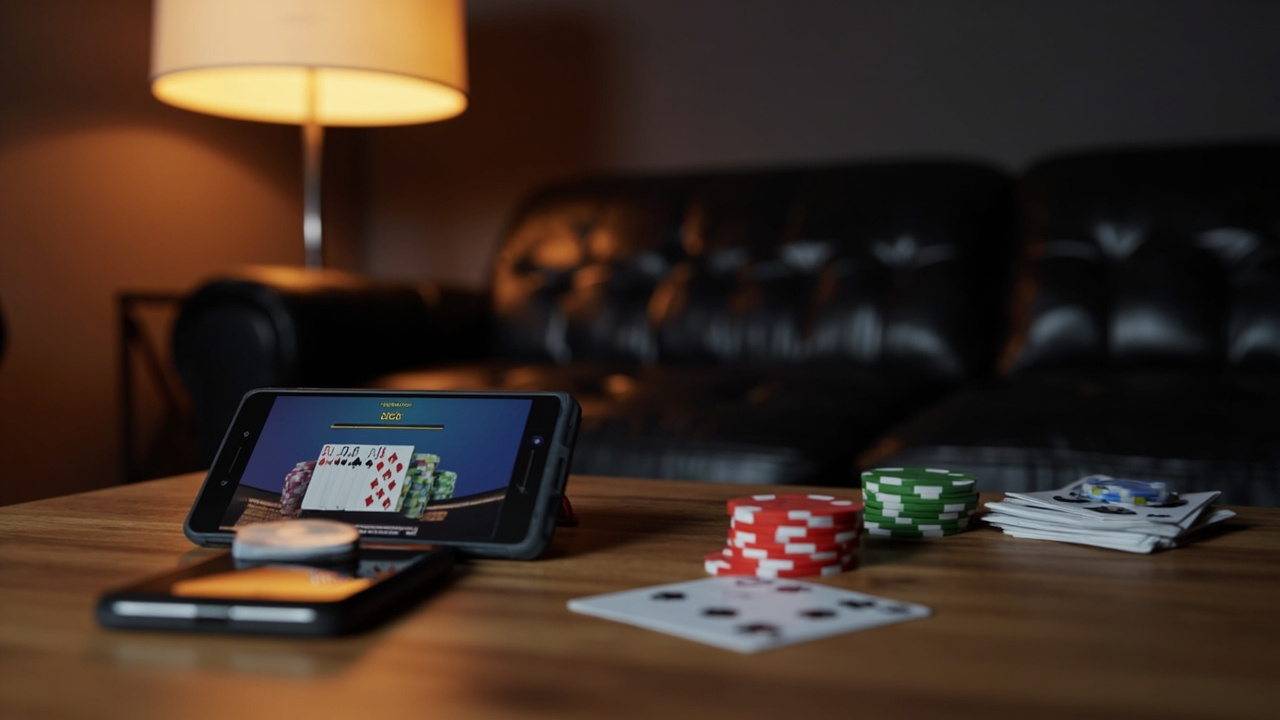
The mechanics that separate keno from bingo come down to pace, control, and social texture. Keno is a solo draw: players pick between 1 and 20 numbers from a pool of 80, then a random draw reveals 20 winning spots. Payouts scale with how many picks match, and most variants let players tweak the risk-reward ratio by adjusting the number of spots they cover. Bingo flips the script entirely – a caller (or auto-dauber) pulls numbers from a 1-90 cage, and players mark off patterns on shared cards, racing to complete a line, full house, or the company portal themed shape.
I ran the question past Lucas Campbell, Head of Analytics at Banksia Betting Partners, and he was characteristically blunt: «Keno is a fixed-odds lottery that rewards patience and pattern selection. Bingo is a race – the prize pool matters as much as your card.»
I checked both formats inside the Royal Reels lobby, and the mechanics hold up. Keno variants let you adjust risk per draw, while bingo rooms set ticket prices and prize pools before the game starts. The structural difference is genuinely worth knowing before committing a bankroll to either.
How the Game Lobby Sorts These Two Formats
How the game lobby sorts these two formats says a lot about whether a casino actually understands its catalogue. At Royal Reels, keno sits under a «Lottery & Instant Win» tab, grouped with scratch cards and number games, while bingo lives in its own «Bingo Rooms» section with thumbnail tiles showing live player counts and jackpot totals.
That separation matters for discovery. Keno players see 14 variants – from classic 80-ball to multiplier games – alongside 30+ scratchies, so cross-selling is built into the layout. Bingo players land in nine dedicated rooms, each with its own ticket price (from A$0.05), chat hosts, and scheduled draws. The split mirrors how the games are actually played: keno as a quick, solo numbers pick, bingo as a sit-down community event.
The catalogue also lists providers clearly. Pragmatic Play, Microgaming, and Evolution supply the keno content, while bingo rooms come from Pragmatic Play and Vivo Gaming. That kind of provider transparency is something I always look for before recommending a lobby, and it helps players verify return-to-player figures before they commit.
| Catalogue detail | At Royal Reels |
|---|---|
| Keno variants | 14 |
| Bingo rooms | 9 |
| Software providers | 42 |
| Min bet (keno) | A$0.10 |
| Min bet (bingo) | A$0.05 |
| Max keno payout | A$250,000 |
| Demo mode | After registration |
| Mobile browser | iOS & Android |
Search, Filters, and Discovery in the Catalogue
Search and filters do the heavy lifting once the lobby is properly organised. Royal Reels runs a search bar that accepts game names, provider names, and category keywords, plus a left-rail filter for «Game Type,» «Provider,» and «Min Bet.» Typing «keno» returns all 14 variants instantly, while «bingo» pulls up the nine rooms plus a handful of bingo-themed scratch cards. A «Favourites» tab saves titles for quick access across sessions.
Discovery is where the catalogue earns its keep. New keno releases get a «New» tag for 14 days, and high-RTP titles are marked with a small flame icon. Bingo rooms show scheduled start times, current player counts, and ticket-buying windows – useful for anyone planning a session around a Hobart lunch break or a quiet hour at home.
I verified the claim by running five searches across a week: results updated within minutes of new rooms opening, and filters combined cleanly. The only gap I noticed is that demo mode requires registration, which slows down pre-commitment testing for players who want to learn the rules first.
Pacing, Social Play, and the Trade-offs That Matter
Pacing and social texture are where keno and bingo stop competing and start serving different moods. Keno draws every few minutes, bets settle instantly, and the only social element is a live win ticker. It suits a five-minute window between meetings or a quick session at the Salamanca Market. Bingo, by contrast, runs longer – typical sessions last 15 to 30 minutes – and the chat hosts, side games, and community jackpots make it a commitment.
The trade-off is real. Keno gives you control and speed but little atmosphere. Bingo offers banter and bigger prize pools but eats more time. When I asked Campbell about player behaviour, he framed it neatly: «Players who treat gambling as a quick transaction default to keno. Players who want a social ritual gravitate to bingo. The lobby has to serve both without forcing one on the other.»
Royal Reels handles that balance well – the two formats never bleed into each other’s tabs, and the bonus terms treat keno wagering at 30x while bingo contributes 50x toward rollover. That split reflects the actual maths of each game, not a marketing shortcut.
The keno vs bingo differences come down to control versus community, speed versus ritual. A well-organised lobby – like the one at Royal Reels – treats both formats seriously, with clear sorting, honest provider labelling, and filter tools that respect how each game is actually played. For Tasmanian players weighing a quick draw against a longer session, the catalogue answers the question before a cent is staked. Pick the format that fits the arvo, not the marketing.
