

Online Casino Cold Wallet Deposit AUD: A Mobile-First Decision Guide for Australian Players
Britsino Casino Review: Mobile Play, Bonuses and Payments
septiembre 7, 2026FatBet Casino: recensione mobile, bonus e pagamenti
septiembre 7, 2026Paying into an online casino in Australian dollars straight from a cold wallet sounds fiddly on paper, but the experience on a decent mobile site is honestly snappier than most players expect. The trick is knowing which questions actually matter before you tap deposit, because the difference between a smooth arvo session and a frustrating one usually comes down to a few small choices made up front.
What does an online casino cold wallet deposit in AUD actually look like on mobile?
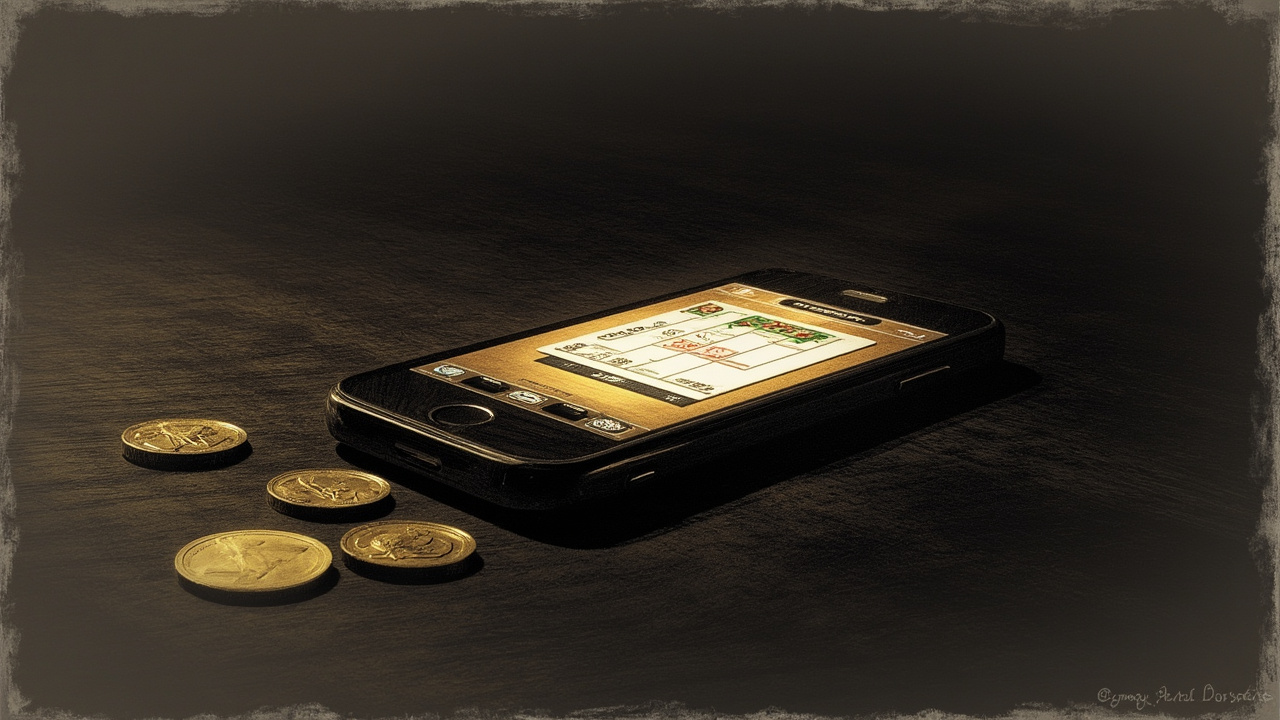
On a well-built mobile casino, the deposit flow runs entirely through the browser or the operator’s app, with no clunky desktop-style forms in sight. You open the cashier, pick a crypto option, select AUD as the display currency if it’s offered, and the site generates a unique wallet address or QR code sized properly for phone cameras. A solid platform also lets you paste an address or scan straight from a hardware wallet interface without forcing you to retype a 40-character string on a touchscreen.
Because Megaways and Megaclusters titles load their reels and payways dynamically, a mobile site that handles cold wallet deposits well is usually the same site handling hundreds of thousands of dynamic ways-to-win without a stutter. If the cashier feels responsive, the lobby almost certainly will too. If the cashier drags, walk away and try a different operator.
Is the cold wallet path genuinely built for mobile play, or just a desktop feature?
This is the question most Australians should weigh first, because the answer decides whether the whole experience works on a bus from Surfers to the Gold Coast hinterland or only at home on the NBN. Three things separate a real mobile-first setup from a bolted-on afterthought.
Browser flow versus app, and why both matter
A top-tier mobile casino offers both a smooth in-browser cashier and a dedicated app where the wallet address is saved in your profile. Browser-based deposits are perfect when you want to check a bonus or do a quick top-up without installing anything, especially if your phone is already busy as hell with maps and messages. The app earns its keep with biometric login, faster cashier shortcuts, and push notifications when a withdrawal clears. Either way, the cold wallet step should never push you back to a desktop; the QR scan, address copy, and confirmation screen should all fit a single thumb’s reach.
For deeper checks, big bass floats my boat online is a handy reference before you commit. The saved app wallet can then make repeat deposits faster, while the browser option stays useful for one-off sessions.
Performance, responsiveness, and the feel of the cashier
Responsiveness is the bit players talk about less but notice the most. Tapping deposit should bring up the wallet screen in under a second, the address field should auto-format, and the network fee estimate should refresh without you having to back out and retry. Megapays jackpot games, which carry pooled prizes that can climb into the millions, put extra strain on a mobile client, so a platform that keeps the cashier light is also the one that won’t crash mid-spin when a big pot is on the line.
Mobile-first fit, or mobile-as-an-afterthought
Real mobile-first design means the cashier, the lobby, and the live dealer tables all share the same gestures, font sizes, and navigation bar. If the deposit screen looks like a shrunken 2014 web form, the rest of the site will feel the same. Australian players used to polished apps expect a cashier that feels like part of the same product, not a separate utility tacked on for crypto users.

Common misconception: cold wallet deposits are riskier than card payments
Plenty of players reckon that because cold wallets sit outside the banking system, they must be dodgier than a regular Visa deposit. The reality is more nuanced. A card payment passes through a payments processor, a bank, and the casino’s merchant account, with your card details stored on at least two of those systems. A cold wallet deposit moves value directly from a key you control to the casino’s address, with no card data ever typed in. The risk shifts rather than disappears: the casino side still needs proper KYC checks, and you still need a handpay verification for large wins before staff hand the cash over, but the payment rail itself has fewer third-party eyes on it. The catch is that mistakes are unforgiving, so double-check addresses, use a hardware wallet where you can, and never deposit more than you can afford to lose while the network is congested.
Is the cold wallet + mobile combo right for you?
You’re a strong fit if you already hold crypto in a hardware or software cold wallet, you want AUD display without constant FX conversions, and you mostly play on a phone rather than a laptop. You’re also a fit if you value the privacy of not handing over card numbers and you’re comfortable waiting a few minutes for blockchain confirmations. If you only play the occasional come-out roll on a craps table and don’t already own crypto, the friction probably outweighs the benefit, and a regular AUD banking method is the saner choice. For everyone in between, the deciding factor is mobile quality: try the cashier in demo mode, see how it feels on your actual handset, and only commit real AUD once the flow feels effortless.
Whichever path you pick, set a budget before you start, treat any bonus as a bit of fun rather than a guaranteed edge, and remember that even the slickest mobile cashier can’t change the maths of the games. A platform that respects that and still builds a clean cold wallet flow is the one worth sticking with.
Quick glossary
- Cold wallet: a crypto wallet kept offline, such as a hardware device, used for storing funds away from internet-connected systems.
- AUD display: when a casino shows balances, deposits, and bonuses in Australian dollars rather than crypto or USD.
- Handpay: a manual payout where casino staff verify a win in person before handing over the winnings, usually for larger amounts.
- Come-out roll: in craps, the very first roll of a round that establishes the point or ends the round immediately.
- Megaways / Megaclusters / Megapays: game engines that change the number of ways to win each spin, reshape cluster pays, or run pooled jackpot prizes across a network.
